
By: WellZenx Editorial Team
Published: January 24, 2026 (ET)
Updated: January 24, 2026 (ET)
Scope guardrails (what this covers)
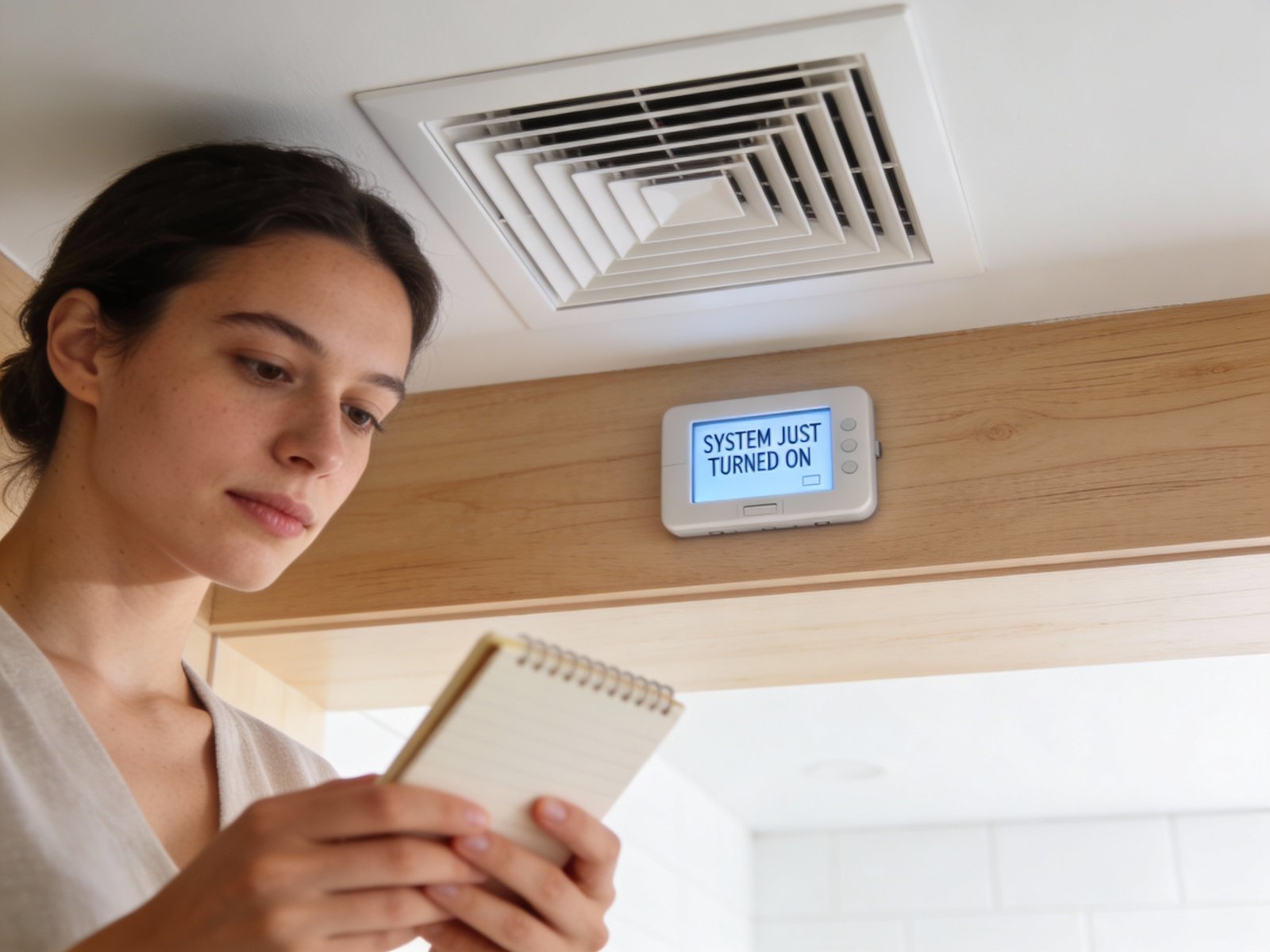
This guide covers one specific scenario: your home air conditioner smells musty when it first turns on, especially after being off for hours or overnight. You’ll learn how to pinpoint the odor source (coil, drain pan, filter, ducts, or a humid room), fix it with a 48-hour plan, and prevent it over 30 days.
Out of scope (don’t use this guide for these)
- Burning/electrical smell, smoke, or melting-plastic odor (shut off and call a pro)
- Rotten-egg odor (possible gas issue—leave and contact your utility/emergency services)
- Flooding, sewage contamination, or heavy visible mold inside ducts/equipment (professional remediation)
30-Second Answer Card
You’ll usually fall into one of these types
- Type A — Wet coil / wet drain pan odor: moisture sits on the evaporator coil or in the pan, grows biofilm, then smells at startup.
- Type B — Filter/return-air odor: a dirty filter or musty return-air path makes the AC “broadcast” an existing smell.
- Type C — Humidity/condensation elsewhere: a damp basement, closet, or bathroom odor gets pulled into the return and shows up when AC starts.
Do these 3 steps first (10 minutes total)
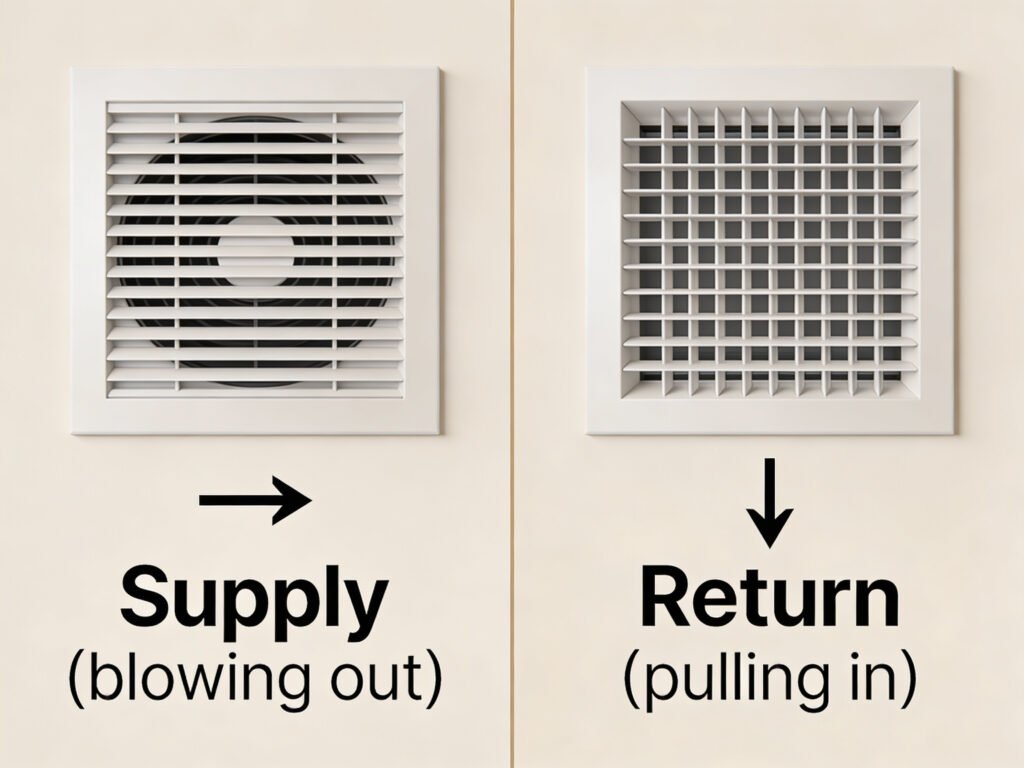
- Do a two-location smell check: sniff at a supply vent (air blowing out) and at the return (air being pulled in).
- Check and replace the filter if it’s overdue or smells musty.
- Run a 48-hour “dry and drain” reset: keep airflow moving, keep the drain line/pan draining, and keep indoor RH in a safe range.
When to escalate
- 48 hours: musty smell persists after filter + drain/pan checks → suspect coil biofilm, hidden moisture, or duct/return issues.
- 7 days: smell returns every startup → schedule HVAC inspection/cleaning of coil and condensate system.
- 30 days: recurring musty smell plus visible growth, frequent water around the air handler, or health symptoms in high-risk occupants → professional evaluation.
10-Minute Diagnosis (simple tools, clear outcome)
Minimum tool kit
- Flashlight
- Paper towels
- Disposable gloves
- Hygrometer/thermometer
Optional: screwdriver for filter access, a clean white cloth, painter’s tape (label “supply” vs “return”)
10-minute self-check (most common → highest risk)
- Confirm it’s an AC-startup pattern (1 minute)
Note whether the smell is strongest in the first 1–5 minutes, then fades. That pattern often points to moisture sitting on HVAC surfaces. - Supply vs return smell test (2 minutes)
- Stand at a supply vent when AC starts. Smell the air 6–12 inches from the vent.
- Then go to the return grille (or air handler closet door gap) and smell there.
Write down which is stronger.
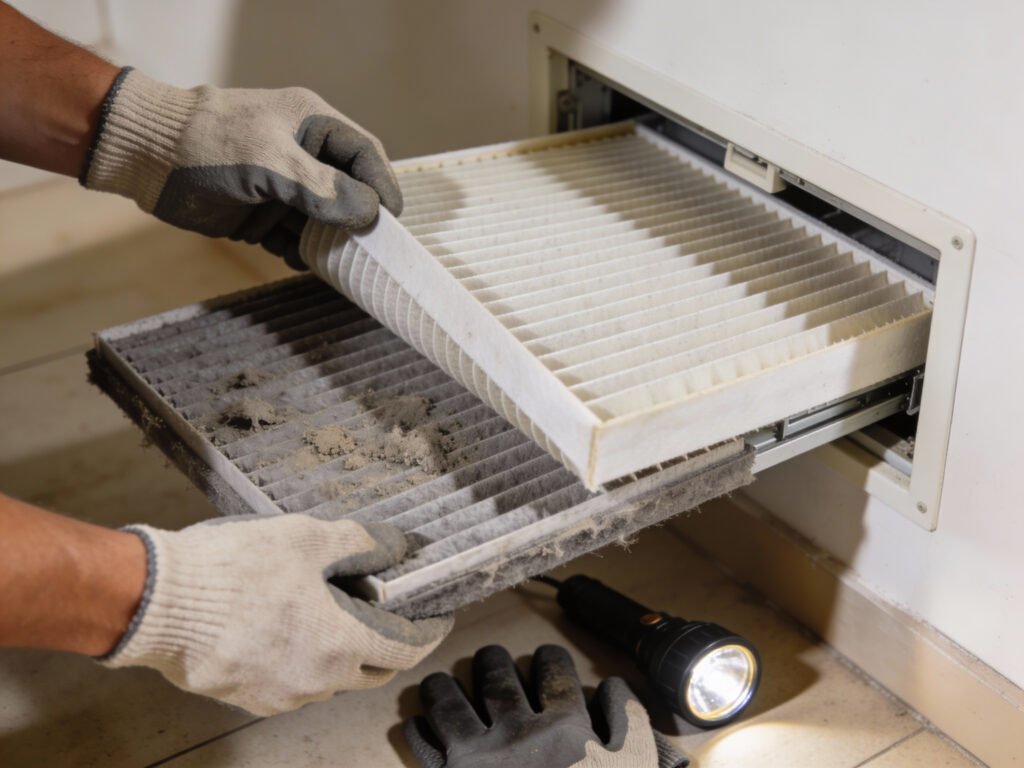
- Filter check (2 minutes)
Turn the system off. Remove the filter.
- If it’s dusty, gray, or smells musty, replace it.
- If the filter is wet or shows spotting, treat as a moisture red flag.
- Indoor RH check (2 minutes)
Measure RH in the room where the smell is strongest and in a central hallway.
Target: aim for 30–50% RH when possible; keep it under 60%. - Condensate/drain area quick check (3 minutes)
If you can safely access the air handler area:
- Look for standing water in/under the unit, wet insulation, or water stains near the drain line.
- Wipe accessible surfaces near the pan/drain with a paper towel and check if it comes back damp or dirty.
Diagnosis output (pick one)
- If return smells musty before AC starts: likely Type C (the AC is pulling an existing house odor).
- If supply smells musty mainly at startup and fades: likely Type A (wet coil/pan biofilm).
- If filter smells musty or looks damp: likely Type B (filter/return-air path).
- If you see water around the unit or a damp towel wipe: treat as escalation risk.
Root Causes (what’s happening, and how to verify)
Cause 1: Condensation sits on the coil and pan (Type A)
Why it happens: The evaporator coil gets cold, moisture condenses, and if drainage/airflow is imperfect, damp surfaces stay wet long enough for microbial buildup. Startup odor is common.
Verify: Odor is strongest right after the system turns on, then fades as the coil changes condition and airflow stabilizes.
Cause 2: Dirty filter or return path “broadcasts” house odors (Type B/C)
Why it happens: Return air passes through dusty filter media and return ducts/closets. If those areas are musty, the system spreads it through supply vents.
Verify: Return grille area smells musty even when the AC is off.
Cause 3: High indoor humidity keeps the system and home damp (Type C)
Why it happens: If indoor RH stays high, many surfaces stay slightly damp—closets, carpets, basements—feeding odor that gets pulled into the return.
Verify: Both the “smell room” and central hallway RH are elevated and the smell also exists when AC is off.
Cause 4: Drain line problems cause standing water (Type A)
Why it happens: A partially blocked condensate drain can leave water in the pan, which creates odor and sometimes overflow.
Verify: You see water stains, damp insulation, or pooled water near the air handler; smell is worse after long run times or humid days.
Fix Options (ranked, with tradeoffs)
Option 1: 48-hour “dry and drain” reset (fastest relief)
When to use: Any type—start here first.
Steps:
- Replace the filter if it’s dirty or musty.
- Keep airflow steady for 48 hours (avoid short cycling if possible).
- Keep the condensate path dry: confirm the drain line area is not leaking and the pan isn’t holding water (visual check).
- Reduce indoor moisture load: avoid drying laundry indoors, run bath fan during showers and 20 minutes after, and keep RH under 60%.
Pros: Often removes the “stale startup” smell quickly; clarifies whether it’s the HVAC surfaces or the home.
Cons: Won’t fix a blocked drain line or heavy biofilm.
Cost level: Low
Time: 2 days
Risk: Low
Good for: Startup musty odor that fades.
Not for: Visible water leaks or electrical/burning smells.
Option 2: Return-air cleanup and odor isolation (Type B/C)
When to use: Return area smells musty even when AC is off.
Steps:
- Vacuum and wipe the return grille and surrounding wall area.
- Check the return-air closet/nearby closet for damp items; remove musty fabrics/cardboard.
- Keep the return pathway clear (don’t block with furniture).
Pros: Fixes “AC is spreading a house smell.”
Cons: Doesn’t address coil/pan biofilm if that’s the driver.
Cost level: Low
Time: 30–90 minutes
Risk: Low
Good for: Musty smell traced to return intake.
Not for: Water pooling at the air handler.
Option 3: Humidity target reset (Type C)
When to use: Indoor RH is elevated and musty odor exists beyond the HVAC.
Steps:
- Aim for 30–50% RH if possible; keep under 60%.
- If RH stays high, use targeted moisture control (better ventilation, moisture source removal, or dehumidification if needed).
Pros: Reduces odor conditions across the home.
Cons: May take days; may require equipment depending on climate/house.
Cost level: Low–Med
Time: 2–14 days
Risk: Low
Good for: Whole-home dampness feeding AC odor.
Not for: A drain overflow or a wet filter.
Option 4: Professional coil + condensate system cleaning (Type A escalation)
When to use: Startup musty odor persists after 48 hours and keeps recurring.
Steps:
- Ask an HVAC pro to inspect and clean: evaporator coil surfaces, drain pan, drain line, and adjacent insulation.
Pros: Addresses the most common hidden source (coil/pan biofilm).
Cons: Cost and scheduling.
Cost level: Med–High
Time: days
Risk: Low
Good for: Persistent startup odor.
Not for: DIY if you’re unsure—coil access can be delicate.
Thresholds used in this article
- Indoor RH target: 30–50% (ideal); keep under 60%
- 48 hours: if smell doesn’t improve after filter + dry/drain reset → escalate
- 7 days: if startup smell returns repeatedly → HVAC inspection recommended
- 30 days: recurring odor with moisture evidence or health concerns → professional evaluation
7-Day Improvement Plan (daily tasks + targets)
Day 1: Diagnose + replace filter + start 48-hour reset
Target: You know whether supply or return is stronger; filter replaced if needed; RH logged.
Fail: Wet filter or water around unit → stop and schedule HVAC service.
Day 2: Condensate area re-check
Target: No new dampness near air handler; odor reduced at startup.
Fail: No improvement → proceed to return-air cleanup and humidity reset.
Day 3: Return-air cleanup
Target: Return area smells neutral when AC is off; startup odor is lighter.
Fail: Return still smells musty → search nearby closets/bathroom sources.
Day 4: Moisture source control
Target: RH drops and stays under 60%; fewer “musty pockets.”
Fail: RH remains high → consider targeted dehumidification strategy.
Day 5: Track pattern
Target: Odor is brief or gone; not stronger after long off periods.
Fail: Odor still strong at every startup → likely coil/pan biofilm.
Day 6: Decision day
Target: Confirm whether the problem is HVAC (supply-startup) vs home (return).
Fail: Still unclear → run seal/odor isolation (close doors, test one zone at a time).
Day 7: Escalate if needed
Target: Stable improvement.
Fail: Persistent startup musty smell → schedule coil + condensate inspection/cleaning.
30-Day Relapse Prevention (weekly/monthly checklist)
Weekly
- Check RH in a central hallway and the “smell room.”
- Do a quick sniff at the return grille (AC off) to catch return-path odors early.
Monthly
- Replace/inspect filter on schedule for your home and pets/dust level.
- Wipe return grille and keep return path clear.
- Look for early moisture clues near the air handler (stains, damp insulation).
Seasonal
- First humid stretch of the season: set RH targets and confirm the condensate system drains properly.
- If odor returns every season, plan a proactive coil/pan inspection before peak humidity.
Odor Quick-Check (AC-related)
Musty only at startup, then fades
Check first: coil/pan moisture and drainage
Quick test: supply vs return smell test
First actions: filter + 48-hour dry/drain reset
Musty even when AC is off, strongest near return
Check first: return path and nearby closets
Quick test: sniff return grille with system off
First actions: return cleanup + remove musty items
Sour “wet towel” smell near air handler
Check first: standing water and damp insulation
Quick test: paper towel wipe near pan/drain area
First actions: stop and schedule inspection if wet persists
Burning/electrical odor
Check first: safety
Quick test: do not test—shut off system
First actions: call HVAC/electrician
Copy/Paste Templates
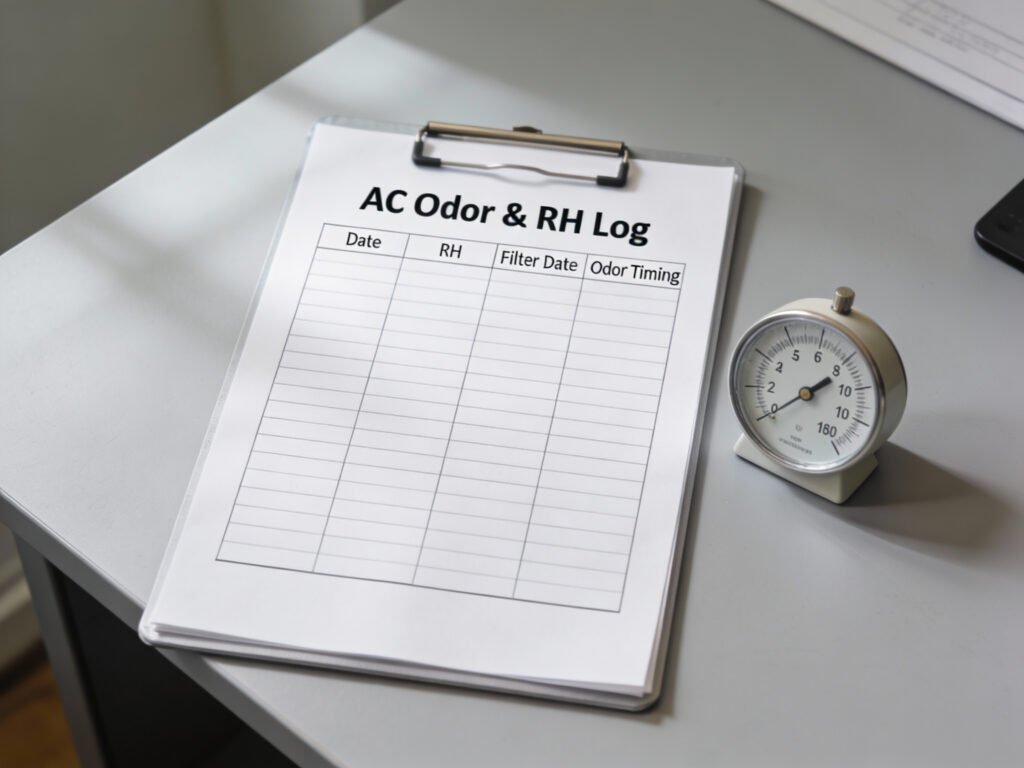
AC Musty Smell Log (copy into Notes)
- Date/Time (ET or local):
- Weather (humid / rainy / dry):
- Smell timing (startup only / constant / after long off):
- Stronger at (supply vent / return / air handler closet):
- RH%/Temp (smell room):
- RH%/Temp (central hallway):
- Filter condition (new/dirty/musty/wet):
- Visible moisture near unit (yes/no + where):
- Actions taken (filter/cleanup/RH control):
- Result after 6 hours:
- Result after 24 hours:
- Result after 48 hours:
Decision Tree (simple)
- AC smells musty at startup → Do supply vs return smell test
- If return is musty when AC is off → Type C/B → return-path cleanup + humidity control
- If supply is musty mainly at startup → Type A → 48-hour dry/drain reset → if persists, coil/pan service
- If filter is musty/wet → Type B/A → replace filter + check condensate area immediately
Red Lines: Don’t DIY
- If you smell burning/electrical odors, see smoke, or suspect overheating → shut off the system and call a professional.
- If you suspect gas (rotten-egg odor) or feel dizzy → leave immediately and contact emergency services/your utility.
- If there is standing water, repeated leaks, or wet insulation around the air handler → schedule HVAC service.
- If anyone is high-risk (asthma, severe allergies, immunocompromised, elderly, infants) and musty odors persist → reduce exposure and seek guidance.
FAQ
- Why does my AC smell musty only when it turns on?
Moisture can sit on the coil or in the drain pan and create odor that’s most noticeable at startup. - Will changing the filter fix it?
Sometimes—especially if the filter or return path is musty. If the coil/pan is the source, filter changes help but won’t fully solve it. - How do I know if the smell is from the return or the AC equipment?
Smell the return grille with the AC off. If it’s musty then, the system is likely pulling an existing odor from the home. - What RH should I target to reduce musty odors?
Aim for 30–50% RH when possible and keep it under 60%. - Is it safe to spray cleaners into vents?
Avoid random chemicals and never mix cleaners. If you suspect coil/pan biofilm, professional cleaning is safer. - When should I call an HVAC professional?
If smell persists after 48 hours of filter + dry/drain reset, or if you see water around the unit. - Can a humid day make it worse?
Yes. Higher indoor humidity increases condensation and can intensify odors. - Could this be mold?
Musty odor can indicate microbial growth when moisture persists. Focus on drying and drainage first, then escalate if it keeps recurring.
Author Trust Block
Written by: WellZenx Editorial Team
Reviewed by: Home Environment Standards Editor (WellZenx)
Editorial standards: This article follows our Editorial Policy and fact-checking process.
Why trust this: We base recommendations on widely accepted guidance from sources such as the EPA/CDC and building-science best practices, and we prioritize measurable steps (RH readings, visible moisture clues, dry-out timelines).
Medical disclaimer: This content is for general education and does not replace medical advice.
Last updated: January 24, 2026
Related pages: Editorial Policy • Corrections • Medical Disclaimer • About WellZenx
Sources & Notes (Authority consensus vs Practical tips)
Authority sources (external references)
- EPA — Mold Course: Indoor humidity guidance (keep RH below 60%, ideally 30–50%). (US EPA)
- EPA — Mold, Moisture, and Your Home: Act quickly on damp areas; dry within 24–48 hours to reduce mold risk. (US EPA)
- CDC — Mold Cleanup Basics: Dry quickly; remove items that can’t be cleaned and dried in 24–48 hours. (CDC)
- OSHA — Mold Safety Bulletin: Clean and dry wet/damp spots ASAP, no more than 48 hours after discovery. (OSHA.gov)
- ASHRAE — Humidity Control Guidance: General guidance for managing RH in occupied spaces (often cited ≤65%). (ASHRAE)
Practical tips (WellZenx workflow)
- Supply vs return smell test to separate “HVAC surface odor” from “house odor being pulled in.”
- 48-hour dry/drain reset to force a clear decision: improving vs recurring.
- RH logging at two points to prevent guessing and stop recurrence.