
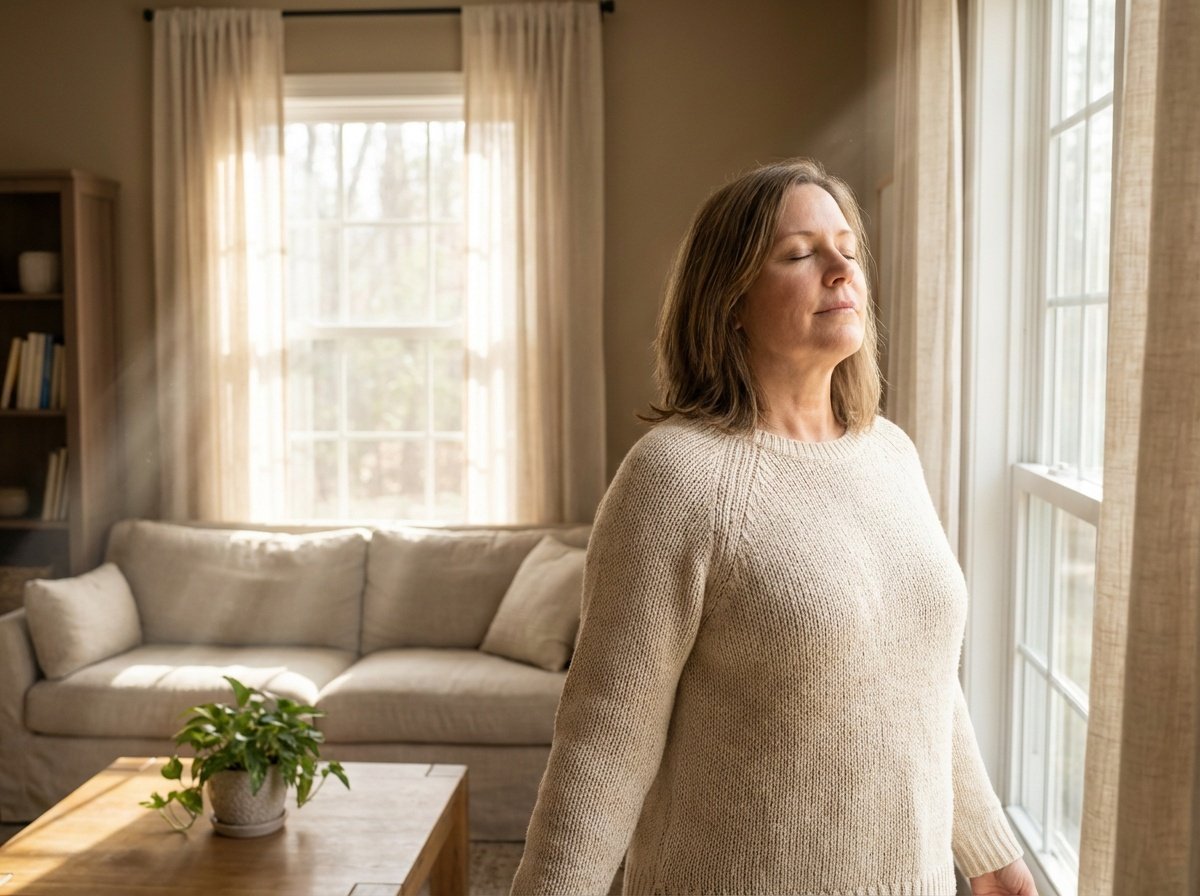
How Indoor Air Conditions Can Affect Breathing Comfort at Home
Feeling uncomfortable while breathing indoors can be unsettling, especially when it happens without obvious physical exertion. Some people describe it as shallow breathing, a sense of heaviness in the chest, or simply not feeling comfortable taking a full breath while inside.
In many cases, this discomfort improves when stepping outside or moving into a better-ventilated area. This pattern suggests that indoor environmental factors—rather than physical health alone—may be influencing breathing comfort at home.
What does uncomfortable breathing indoors feel like?
Breathing discomfort indoors can vary from person to person. Common experiences include:
- Feeling unable to take a deep breath
- A heavy or stuffy sensation in the air
- Mild chest tightness that eases outdoors
- Breathing that feels strained or unnatural
These sensations are often subtle but persistent in enclosed or poorly ventilated spaces.
How indoor air quality can affect breathing comfort
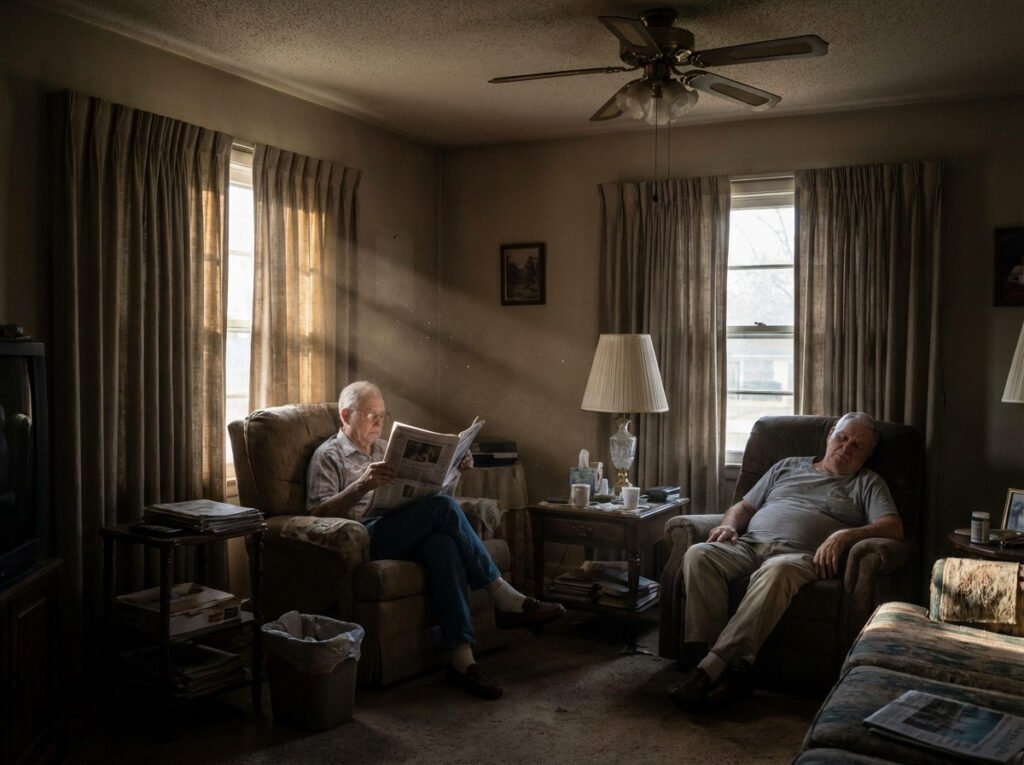
Poor indoor air quality can influence breathing by reducing air freshness and circulation. When indoor air is not regularly refreshed, it may feel heavy or stale.
Limited ventilation can allow airborne particles, odors, or pollutants to accumulate. Over time, this may contribute to breathing discomfort, especially during long periods spent indoors.
Many people notice improved breathing comfort shortly after opening windows or leaving the house, which highlights the role of air circulation.
The role of ventilation and airflow indoors

Ventilation is essential for maintaining comfortable breathing conditions. Homes with limited airflow may trap indoor air, preventing fresh air exchange.
Rooms with closed doors, sealed windows, or minimal ventilation can feel especially uncomfortable. Poor airflow may create a sensation of restricted breathing even when oxygen levels are normal.
Improving airflow often leads to immediate relief, suggesting a strong connection between ventilation and breathing comfort.
Can humidity imbalance make breathing feel uncomfortable?
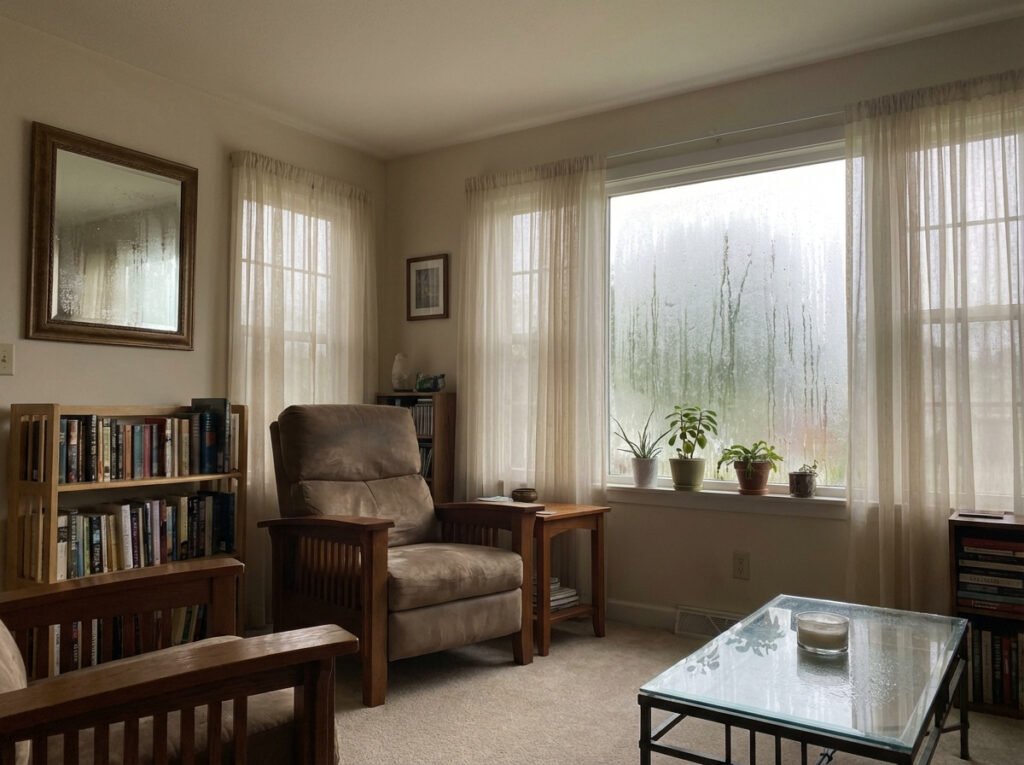
Humidity levels that are too high or too low can also affect breathing comfort. Excess humidity may make air feel thick and heavy, while dry air can irritate the airways.
Humidity imbalance often overlaps with ventilation issues, intensifying discomfort. Bedrooms, basements, and enclosed living spaces are common areas where these conditions develop.
Why breathing often feels easier outdoors
Outdoor environments naturally provide constant air movement and fresh air exchange. This continuous airflow helps maintain comfortable breathing conditions.
Even brief exposure to outdoor air can make breathing feel more natural and relaxed. This contrast reinforces the idea that indoor conditions—rather than physical exertion—may be responsible for discomfort.
Signs your indoor environment may be the cause
Some common patterns suggest indoor conditions may be affecting breathing:
- Breathing discomfort that improves outdoors
- Heaviness or stuffiness in certain rooms
- Relief after opening windows
- Discomfort during long indoor stays
These signs often point to environmental factors rather than personal health issues.
How to improve breathing comfort indoors naturally
Improving breathing comfort often involves improving air movement and balance:
- Increase ventilation when outdoor conditions allow
- Improve airflow between rooms
- Reduce moisture buildup indoors
- Keep living areas clean and uncluttered
These steps can help indoor air feel lighter and easier to breathe.
When breathing discomfort deserves closer attention
If breathing discomfort persists despite improving indoor conditions, other factors may be involved. However, addressing indoor air quality and ventilation is often a helpful first step.
Maintaining comfortable indoor air conditions supports easier breathing and daily comfort.
Conclusion
Uncomfortable breathing indoors is often linked to environmental factors such as poor air quality, limited ventilation, or humidity imbalance. These conditions can quietly affect breathing comfort without being immediately obvious.
By improving airflow and balancing indoor air conditions, you can create a more comfortable home environment and reduce breathing-related discomfort.
Understanding how indoor air quality, ventilation, and humidity interact helps explain why breathing may feel less comfortable indoors but ease in outdoor environments.
FAQ
Why does breathing sometimes feel uncomfortable only when indoors?
Indoor spaces can limit airflow and fresh air exchange, especially in enclosed or poorly ventilated rooms. When air circulation is reduced, indoor air may feel heavy or stale, which can affect breathing comfort over time.
Can indoor air conditions affect breathing even without physical exertion?
Yes. Breathing discomfort indoors does not always relate to activity levels. Subtle changes in air freshness, humidity, or airflow can influence how natural or comfortable breathing feels, even while resting.
Does indoor-related breathing discomfort always indicate a health issue?
Not necessarily. Discomfort that improves after leaving a room or going outdoors often suggests environmental factors rather than an underlying medical condition. Individual sensitivity and indoor conditions can interact in different ways.
About the Author
This article was written by the Wellzenx Editorial Team, which focuses on creating educational content about home health, indoor air quality, and everyday environmental factors that affect comfort and well-being.
Learn more about our editorial standards, research approach, and background on the
About the Author page.