

How Indoor Air Conditions Can Affect Eye Comfort at Home
Many people notice that their eyes feel dry, itchy, or irritated while spending time indoors. This discomfort often improves after going outside or changing rooms, leading to confusion about what might be causing it.
While screen use and fatigue are often blamed, indoor environmental factors can also play a significant role. Air quality, humidity levels, and airflow inside the home can quietly affect eye comfort throughout the day. Understanding how indoor conditions influence eye irritation can help explain why symptoms appear indoors but ease elsewhere.
What does indoor-related eye irritation feel like?
Eye discomfort linked to indoor environments may include:
- Dry or gritty sensations
- Mild burning or itching
- Redness that improves outdoors
- Eye fatigue after long indoor stays
Why Do My Eyes Feel Dry or Irritated Indoors?
These symptoms are often subtle but persistent, especially in enclosed or climate-controlled spaces.
How indoor air quality can affect eye comfort
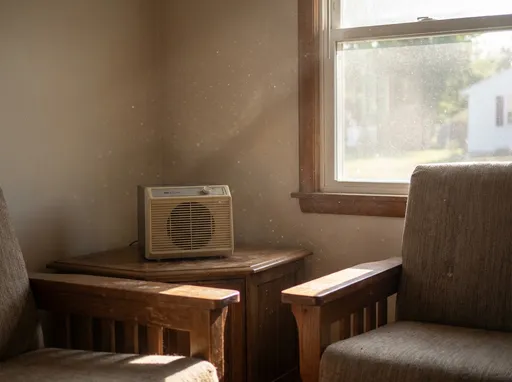
Poor indoor air quality may allow airborne particles, dust, or irritants to remain suspended in the air. When air circulation is limited, these particles can linger near eye level, increasing irritation.
Stale or poorly refreshed air may also reduce overall comfort, making eyes feel strained or dry over time. Many people notice that eye irritation improves shortly after leaving the house or increasing ventilation.
The role of low humidity indoors

Low indoor humidity is a commoncontributor to dry eyes, particularly during colder months or in homes that rely heavily on heating. Dry air can pull moisture away from the eyes, leading to discomfort.
Humidity levels that fall below a comfortable range often go unnoticed until symptoms appear. This dryness can affect not only the eyes but also the throat and skin.
Can airflow make eye irritation worse?
Airflow direction matters as much as air quality. Direct airflow from vents, fans, or heaters can increase evaporation from the eye surface, worsening dryness.
Sleeping or sitting near strong air currents may contribute to irritation, even if overall air quality seems acceptable.
Why symptoms often improve outdoors
Outdoor environments usually provide balanced humidity, fresh air exchange, and natural airflow. These conditions help reduce irritation and restore comfort.
The contrast between indoor and outdoor eye comfort often suggests that indoor conditions, rather than eye health alone, are contributing to symptoms.
Signs your indoor environment may be affecting your eyes
Some common indicators include:
- Eye irritation that improves outdoors
- Dryness worse in certain rooms
- Relief after airing out spaces
- Discomfort during long indoor stays
These patterns often point to environmental causes rather than personal eye conditions.
How to reduce indoor eye discomfort naturally
Improving indoor eye comfort often involves adjusting air conditions:
- Increase ventilation when possible
- Balance indoor humidity levels
- Avoid direct airflow toward the face
- Keep indoor spaces clean to reduce dust
Small changes can help reduce eye irritation and improve overall comfort.
When eye irritation deserves closer attention
If eye discomfort persists despite environmental adjustments, other factors may be involved. However, addressing indoor air quality and humidity is often a practical first step.
Maintaining a comfortable indoor environment supports eye comfort throughout the day.
Conclusion
Dry or irritated eyes indoors are often linked to environmental factors such as air quality, humidity, and airflow. These conditions can quietly affect eye comfort without being obvious.
By improving ventilation, balancing humidity, and managing airflow, you can create a more comfortable indoor environment and reduce eye irritation naturally.
Understanding how indoor air quality, humidity levels, and airflow interact helps explain why eye irritation may develop indoors but ease in outdoor environments.
FAQ
Why do eye irritation symptoms often improve after leaving the house?
Outdoor environments usually provide better air circulation, fresher air exchange, and more balanced humidity. These conditions can reduce dryness and irritation, which may explain why eye discomfort feels less noticeable outside compared to enclosed indoor spaces.
Can indoor air conditions affect eye comfort without obvious warning signs?
Yes. Indoor air quality issues such as low humidity, limited ventilation, or airborne particles often develop gradually. Eye irritation may be one of the first noticeable signs, even when indoor air does not feel particularly uncomfortable overall.
Does indoor-related eye irritation always indicate an eye health problem?
Not necessarily. Eye discomfort that appears mainly indoors and improves with fresh air or ventilation often points to environmental factors rather than underlying eye conditions. Individual sensitivity and indoor conditions can interact in different ways.
About the Author
This article was written by the Wellzenx Editorial Team, which focuses on creating educational content about home health, indoor air quality, and everyday environmental factors that affect comfort and well-being.
Learn more about our editorial standards, research approach, and background on the
About the Author page.