
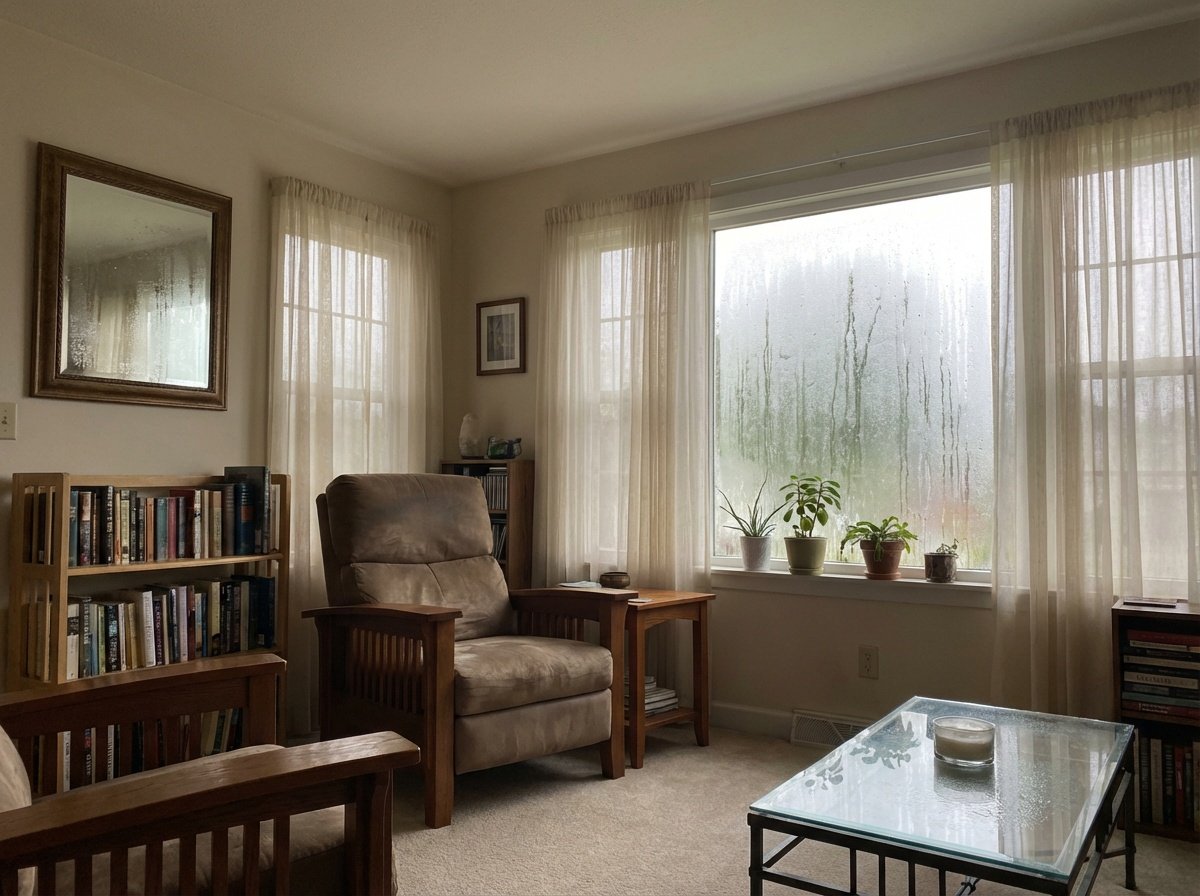
(Indoor Airflow, Humidity, and Hidden Causes)
Common Indoor Airflow Issues That Can Trap Stale Air at Home
What Makes a Room Feel Stuffy?
A room can feel stuffy when air circulation is limited, humidity builds up, or stale air becomes trapped indoors. Even with windows open, factors like poor cross-ventilation, blocked airflow paths, and temperature differences can prevent fresh air from effectively replacing indoor air
Opening windows is often the first thing people try when their home feels stuffy. Fresh air should come in, stale air should go out—yet in many cases, the indoor air still feels heavy, uncomfortable, or difficult to breathe.
This situation can be frustrating, especially when windows remain open for long periods with little improvement. When a house feels stuffy even with windows open, the cause is usually related to airflow patterns, ventilation limitations, or indoor air quality issues rather than a lack of fresh air alone.
Understanding why air becomes trapped indoors can help explain this common problem and guide more effective solutions.
What does “stuffy air” actually mean?
Why Does a House Smell Musty After Being Closed?
When a house remains closed for days or weeks, moisture and stagnant air can accumulate indoors. This creates an environment where odors linger, making the air smell musty even if the space looks clean. Poor ventilation, humidity, and trapped air are common contributors to this issue.
Musty smells are often linked to broader indoor air quality issues.
Stuffy air is often described as air that feels heavy, stale, or uncomfortable. Common sensations include:
- Difficulty breathing comfortably
- A feeling of poor air circulation
- Lingering odors that don’t clear
- Fatigue or discomfort indoors
These sensations typically indicate that indoor air is not moving or refreshing properly, even if outdoor air is available.
Why opening windows doesn’t always improve airflow
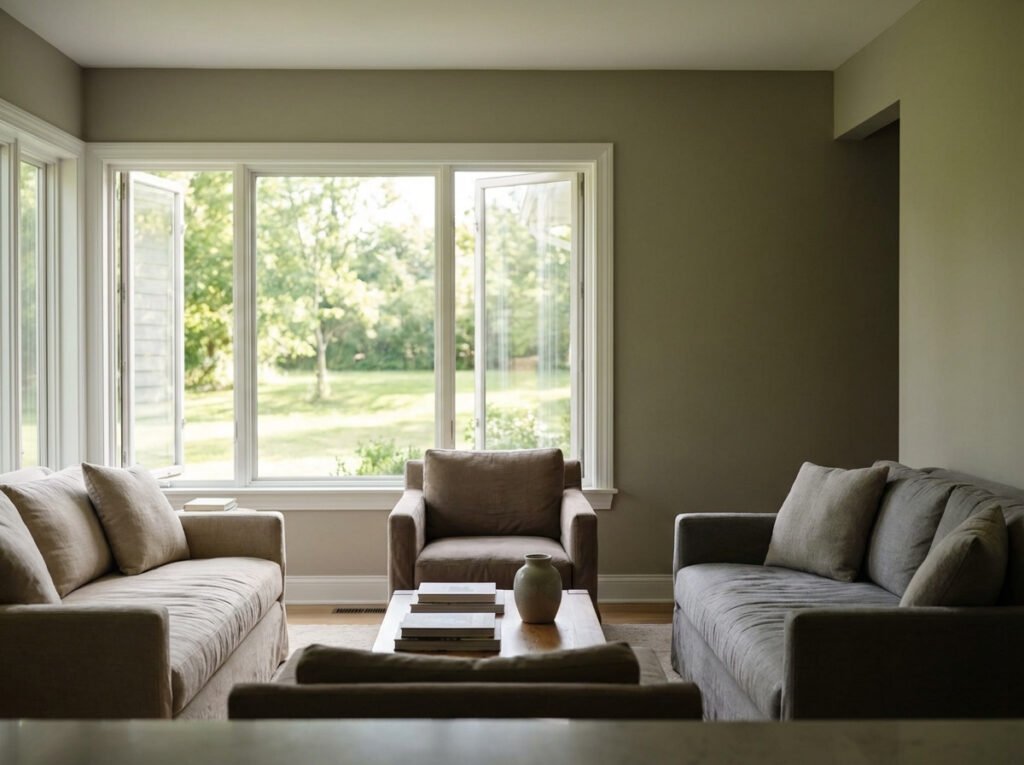
Opening a window does not automatically guarantee good ventilation. For air to move effectively, there must be a clear path for air to enter and exit.
Common reasons windows alone may not help include:
- No cross-ventilation (only one window open)
- Outdoor air pressure not creating airflow
- Indoor air becoming trapped in enclosed rooms
- Layouts that block natural air movement
Without proper airflow dynamics, fresh air may enter briefly but fail to circulate through the space.
The role of poor ventilation in a stuffy home
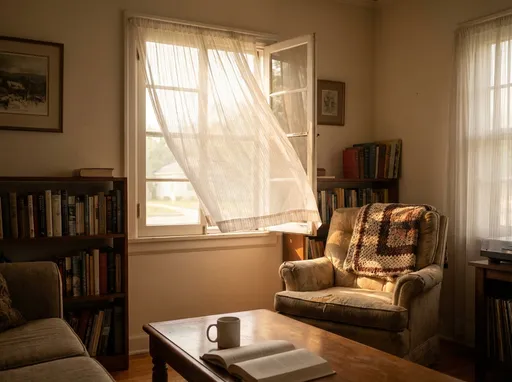
Ventilation refers to how air moves through and out of a home. In many modern homes, ventilation is limited due to sealed construction, closed interior doors, or insufficient air pathways.
Poor ventilation allows indoor air to stagnate. Over time, this can lead to a buildup of indoor pollutants, odors, and moisture that contribute to a stuffy feeling.
Rooms such as bedrooms, basements, and interior living spaces are especially prone to ventilation issues.
How indoor air quality contributes to a stuffy feeling
Indoor air quality plays a significant role in how comfortable a home feels. Even when windows are open, indoor air may still contain lingering particles, odors, or moisture.
When air quality is poor, fresh outdoor air may mix with stagnant indoor air instead of replacing it. This can make the environment feel heavy rather than refreshed.
Homes experiencing persistent musty smells or recurring air discomfort often have underlying air quality issues rather than simple airflow problems.
Humidity imbalance and trapped indoor air
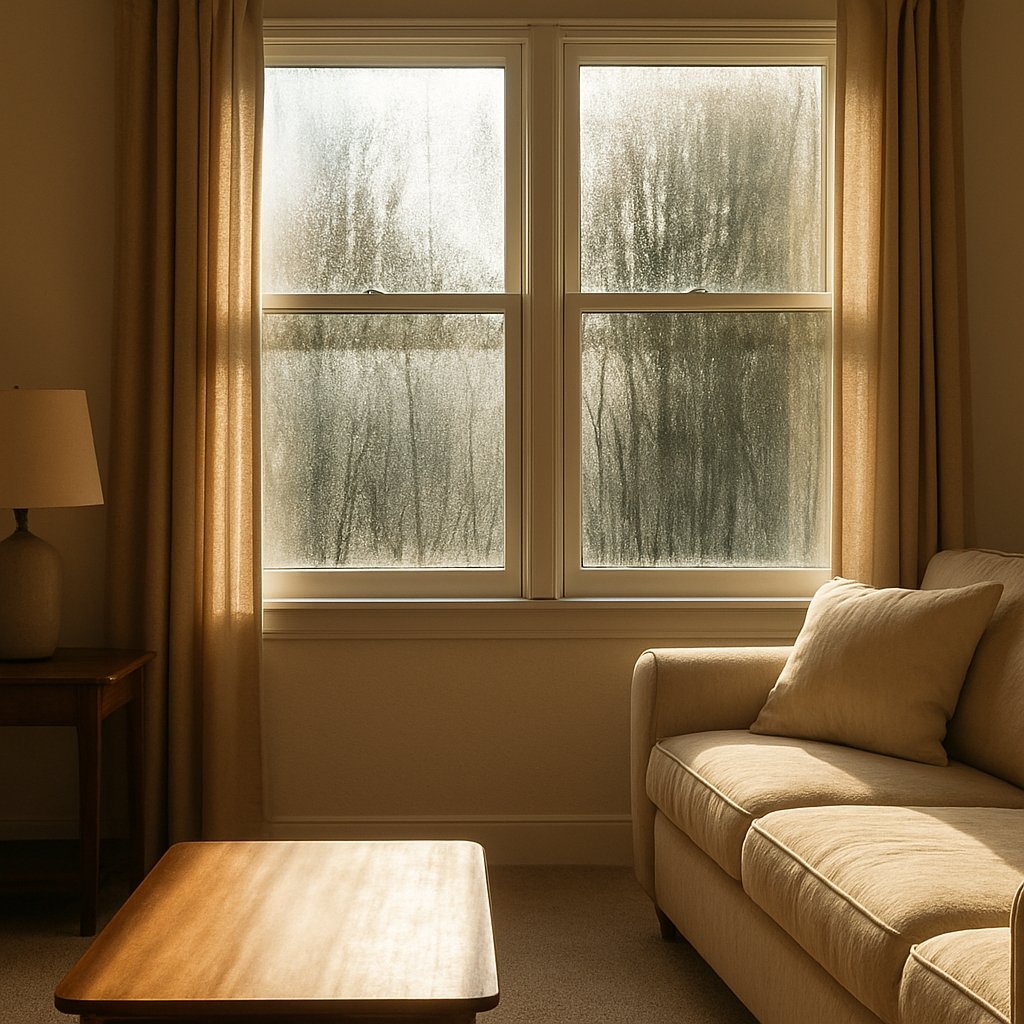
Humidity levels that are too high can make air feel thick and uncomfortable. Excess moisture in the air reduces evaporation and can amplify the sensation of stuffiness.
High indoor humidity often develops in combination with limited ventilation. When moisture cannot escape efficiently, it remains trapped indoors, contributing to heavy air even when windows are open.
Why some rooms feel stuffier than others
Airflow is rarely uniform throughout a home. Certain rooms may feel stuffier due to:
- Distance from windows
- Limited door openings
- Poor air circulation pathways
- Higher moisture production
This explains why one room may feel comfortable while another feels noticeably stale.
How to improve airflow when windows aren’t enough
Improving airflow often requires more than opening a single window. Effective strategies include:
- Creating cross-ventilation by opening windows on opposite sides
- Opening interior doors to allow air movement
- Allowing warm air to escape from higher openings
- Improving overall air circulation throughout the home
These steps help fresh air replace stale air instead of simply entering and lingering.
When a stuffy home needs closer attention
If a home consistently feels stuffy despite airflow efforts, it may indicate ongoing ventilation or air quality issues. Addressing these early can prevent long-term discomfort and improve daily living conditions.
Persistent indoor air discomfort is often a sign that the home environment needs better air movement rather than more fresh air alone.
Conclusion
A house can feel stuffy even with windows open when airflow, ventilation, or indoor air quality issues prevent air from circulating properly. Simply opening windows may not be enough to refresh indoor spaces.
By understanding how air moves through the home and addressing ventilation and humidity balance, it becomes easier to create a lighter, more comfortable indoor environment.
Understanding how airflow patterns, ventilation pathways, and humidity interact helps explain why indoor air can feel stuffy even when windows are open.
FAQ
Why can a house still feel stuffy even when windows are open?
Opening windows does not always create effective airflow. Without a clear path for air to enter and exit, fresh outdoor air may not circulate through the space, allowing indoor air to remain trapped and feel heavy or stale.
Does stuffy indoor air mean there is not enough fresh air coming in?
Not necessarily. In many cases, fresh air may enter briefly but mix with stagnant indoor air instead of replacing it. This often happens when ventilation pathways are limited or airflow patterns are uneven throughout the home.
Why do some rooms feel stuffier than others?
Airflow is rarely distributed evenly in a home. Rooms that are farther from windows, have closed doors, limited ventilation, or higher moisture levels may experience reduced air movement, making them feel more uncomfortable than other areas.
About the Author
This article was written by the Wellzenx Editorial Team, which focuses on creating educational content about home health, indoor air quality, and everyday environmental factors that affect comfort and well-being.
Learn more about our editorial standards, research approach, and background on the
About the Author page.