

How Excess Moisture at Home Affects Comfort, Air Quality, and Daily Living
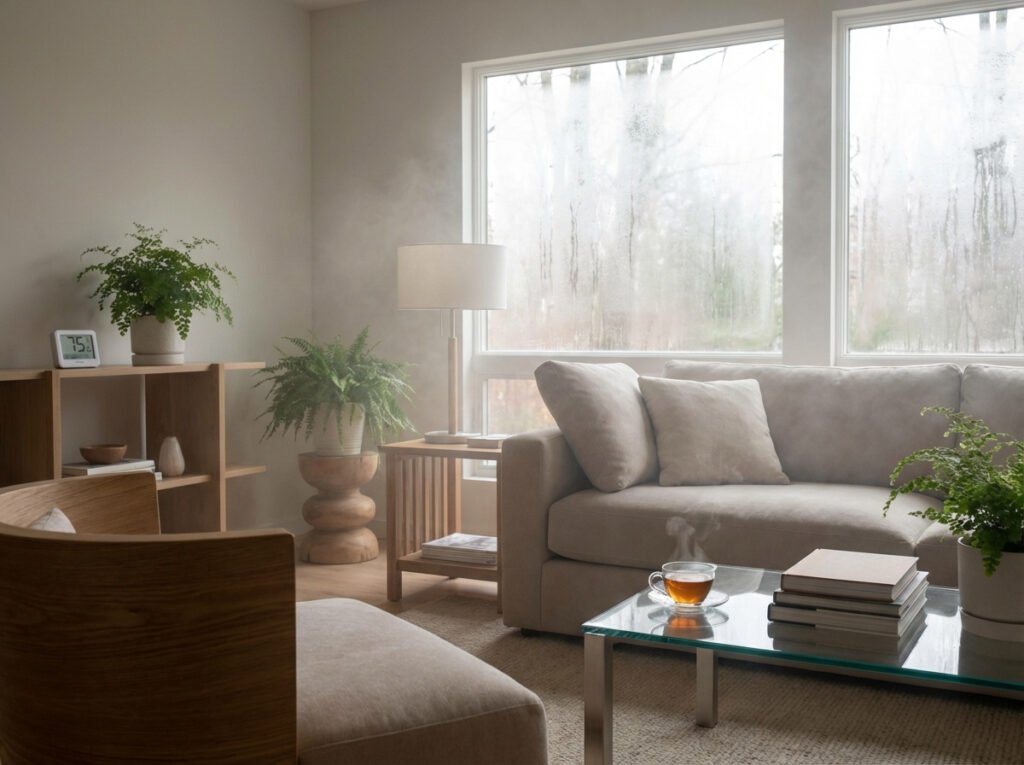
High indoor humidity is a common issue in many homes, yet it often goes unnoticed. You may not see standing water or obvious leaks, but excess moisture in the air can quietly affect comfort, indoor air quality, and overall well-being.
Many people wonder whether high indoor humidity is actually bad for their health or simply an inconvenience. While it may not cause immediate illness, consistently high humidity levels can contribute to uncomfortable living conditions and long-term indoor air problems if left unaddressed.
air feeling heavy or stuffy indoors
Understanding how humidity affects your home environment is the first step toward creating a healthier indoor space.
What is considered high indoor humidity?
Indoor humidity refers to the amount of moisture present in the air inside your home. Most experts agree that a healthy indoor humidity range is between 30% and 50%.
Humidity levels above this range are generally considered high and may lead to:
- A heavy or sticky feeling in the air
- Condensation on windows or walls
- Damp smells or musty odors
- Difficulty cooling rooms effectively
High humidity is especially common in bathrooms, kitchens, basements, and poorly ventilated rooms.
Common causes of high indoor humidity
Excess indoor humidity usually comes from everyday household activities combined with limited ventilation. Common sources include:
- Cooking and boiling water
- Showering without proper exhaust ventilation
- Drying clothes indoors
- Poor air circulation
- Leaks or water intrusion
- Warm outdoor air entering cooler indoor spaces
In many cases, humidity builds up slowly, making it difficult to notice until comfort or air quality declines.
How high humidity affects indoor air quality

When indoor humidity remains high, it creates conditions that allow moisture-related issues to develop. Excess moisture in the air can:
- Prevent proper evaporation of damp surfaces
- Allow odors to linger longer
- Reduce overall air freshness
- Encourage the buildup of airborne particles
Over time, poor air circulation combined with high humidity can lead to persistent indoor air quality problems. This often explains why some homes feel stuffy or uncomfortable even when they appear clean.
Can high indoor humidity affect your health?
High indoor humidity itself is not a disease, but it can influence comfort and well-being over time. Prolonged exposure to overly humid environments may contribute to:
- Headaches or fatigue
- Throat or nasal irritation
- Poor sleep quality
- Increased allergy-like symptoms
These effects are often subtle and develop gradually. Many people notice they feel better after improving airflow or reducing moisture levels at home.
It’s important to note that individual sensitivity varies, and humidity-related discomfort does not necessarily indicate a medical condition.
Signs your home may be too humid
Some common warning signs of excessive indoor humidity include:
- Windows fogging up regularly
- A musty smell that returns after cleaning
- Damp or sticky indoor air
- Mold-like odors in closets or storage areas
- Peeling paint or warped wood
If these signs persist, it may be time to address moisture control rather than relying on cleaning alone.
How to reduce high indoor humidity naturally
Lowering indoor humidity often requires improving airflow and limiting moisture sources. Practical steps include:
- Increasing ventilation in bathrooms and kitchens
- Opening windows when outdoor conditions allow
- Improving air circulation throughout the home
- Drying wet areas promptly
- Reducing activities that add excess moisture indoors
When should you take high humidity seriously?
If high humidity persists for weeks or contributes to ongoing discomfort, odors, or air quality issues, it’s important to identify the underlying cause. Long-term moisture problems can affect both living comfort and the condition of your home.
Addressing humidity early helps prevent more complex indoor environment issues later.
Conclusion
High indoor humidity can quietly affect comfort, air quality, and daily well-being. While it may not cause immediate health problems, prolonged excess moisture can create an uncomfortable indoor environment over time.
By understanding the causes of high humidity and taking steps to improve airflow and moisture control, you can create a healthier and more comfortable home environment.
High indoor humidity may not be immediately noticeable, but over time it can influence comfort, indoor air quality, and how a home feels on a daily basis.
FAQ
Is high indoor humidity always noticeable right away?
Not always. Indoor humidity can build up gradually without obvious signs like standing water or visible leaks. In many cases, people only become aware of it after noticing changes in comfort, air freshness, or condensation on windows.
Why does high humidity make indoor spaces feel stuffy or uncomfortable?
Excess moisture in the air can slow evaporation and limit how efficiently indoor air circulates. When airflow is reduced and moisture remains suspended, indoor spaces may feel heavier or less comfortable over time, even if they appear clean.
Does high indoor humidity automatically cause health problems?
High humidity on its own is not considered a medical condition. However, consistently humid indoor environments can influence comfort and air quality, which may affect how some people feel over extended periods, depending on individual sensitivity and environmental factors.
About the Author
This article was written by the Wellzenx Editorial Team, which focuses on creating educational content about home health, indoor air quality, and everyday environmental factors that affect comfort and well-being.
Learn more about our editorial standards, research approach, and background on the
About the Author page.